

The Truth about GLP-1
Did you know that prescriptions for weight loss injections have tripled in the past year? With social media feeds flooded with before-and-after photos and glowing testimonials, it’s no surprise that many women are wondering: Are weight loss injections the magic solution they claim to be?
If you’ve been tempted to try them—or are simply curious—you’re not alone. However, before you make a decision, let’s take a step back and examine the full picture.
The Rise of Medicated Weight Loss
Weight loss medications, especially injectable ones, have become incredibly popular. These drugs often work by mimicking GLP-1, a hormone that slows digestion, regulates blood sugar, and signals fullness to the brain. The result? You feel full faster and eat less—what many call “calming the food noise.”
Sounds like a dream, right? But here’s the truth: everybody is different. While some people experience significant weight loss with minimal side effects, others face uncomfortable symptoms like bloating, constipation, fatigue, or even weight regain after stopping the medication.
The Problem with Quick Fixes
Let’s be honest—popping a pill or taking a jab can seem a lot easier than preparing a balanced meal or committing to a workout routine. But if you’re still eating nutrient-poor, processed foods—just in smaller portions—you’re not nourishing your body. You’re simply under-eating, which can lead to:
- Fatigue
- Digestive issues
- Loss of bone mass
- Hormonal imbalances
- Weight regain
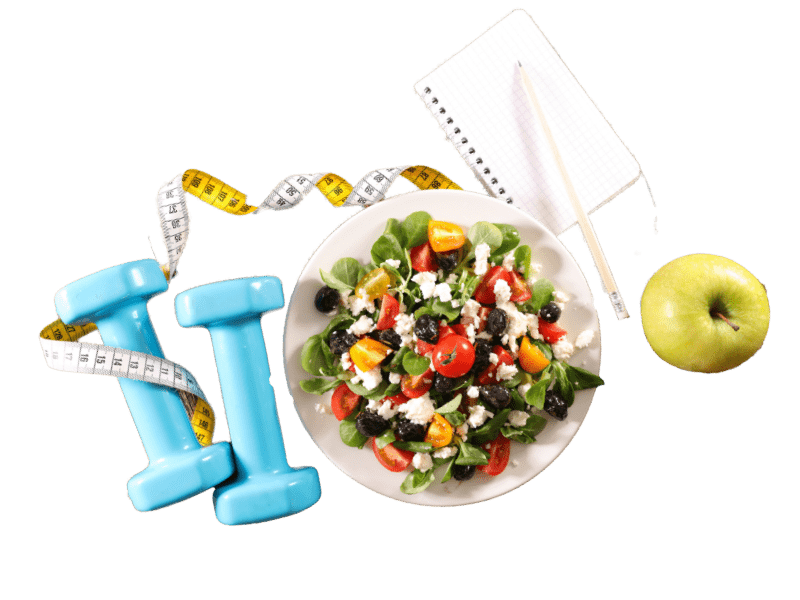
A healthy, balanced diet can help you feel full and energized without the side effects. And while medicated weight loss might be necessary in some cases—especially when health risks are high—it should always be done under professional medical supervision.
The Importance of Individualized Approaches
As a health coach and kinesiologist, I believe in a holistic, personalized approach to weight loss. Your age, life stage, medical history, hormonal health, and even your gut microbiome all play a role in how your body responds to weight loss strategies.
For women in their 40s and beyond—especially those navigating perimenopause or menopause—hormonal shifts can make weight loss more complex. Appetite suppressants may further disrupt your gut health, which is closely tied to hormone regulation.
So, What’s the Best Approach?
There’s no one-size-fits-all answer. Whether you choose a medicated weight loss approach or a lifestyle-based one, the key is to make your decision with awareness, intention, and support. Your health journey is yours alone, and there’s no shame in exploring your options.
But no matter what path you choose, here are three non-negotiable health tips that will support your body and your goals:
💧 1. Stay Hydrated
Aim for at least 2 liters of fluids daily. Water is best, but herbal teas are also acceptable. Hydration helps prevent common side effects, such as nausea, headaches, and constipation.
🌾 2. Eat More Fiber
Strive for 25–30g of fiber per day. Fiber supports digestion, balances blood sugar, and helps stimulate natural GLP-1 activity. Great sources include:
- Fruits and vegetables
- Whole grains (quinoa, oats, whole-wheat pasta)
- Legumes (beans, lentils, chickpeas)
- Seeds (chia, flaxseed)
Simple swaps, such as adding grated vegetables to meals or opting for whole-grain bread, can make a big difference.
🍳 3. Include Protein with Every Meal
Protein helps preserve muscle mass, which is crucial for maintaining metabolism and promoting long-term weight management. Aim for 1.2–1.6g of protein per kg of body weight daily. Easy ways to add protein:
- Greek yogurt with berries
- Protein shakes
- Eggs on wholegrain toast
- Chicken or tuna salads
- Tofu stir-fries
What Happens When You Stop the Jab?
Here’s a crucial point: when you stop taking GLP-1 medications, your appetite returns—and often with a vengeance. If you haven’t built sustainable habits during your time on the medication, the weight can come back quickly. That’s why it’s so important to use any weight loss tool—medicated or not—as a stepping stone toward lasting lifestyle change.
You Don’t Have to Do This Alone
If you’re feeling overwhelmed, know that support can make all the difference. Having someone to guide you, hold you accountable, and cheer you on can help you overcome obstacles and achieve your goals more quickly.
Whether you’re considering weight loss injections or exploring holistic alternatives, remember: you are unique. Your strategy should be, too.
If you’re ready to explore a personalized, sustainable approach to weight loss, I’d love to support you. Book a complimentary BecomingYOU@40 coaching session using the link in the description box. Let’s create a plan that works for you—one that’s rooted in nourishment, balance, and long-term wellness.
Key Takeaway:
- Your health journey is personal—there’s no one-size-fits-all solution.
- Choose a strategy rooted in care, not punishment.
- Whether you opt for the medicated route or not, building healthy habits is key to lasting results.
Listen to my podcast:From Jab to Fab: Let's Weigh the Truth
In this episode, I’m sharing what you really need to know before jumping on the medicated weight loss train. We’ll talk about how these injections work, the side effects no one talks about, and why a one-size-fits-all approach just doesn’t cut it when it comes to your health.
If you’re feeling overwhelmed or unsure about your next step, this episode is for you. I’ll also share three simple, non-negotiable health tips that can support your journey—whether you choose medication or not.
Listen on Apple Podcasts, Spotify, or YouTube
LET’S CONNECT

Take your first ‘Executive’ step towards a healthier, balanced YOU.